
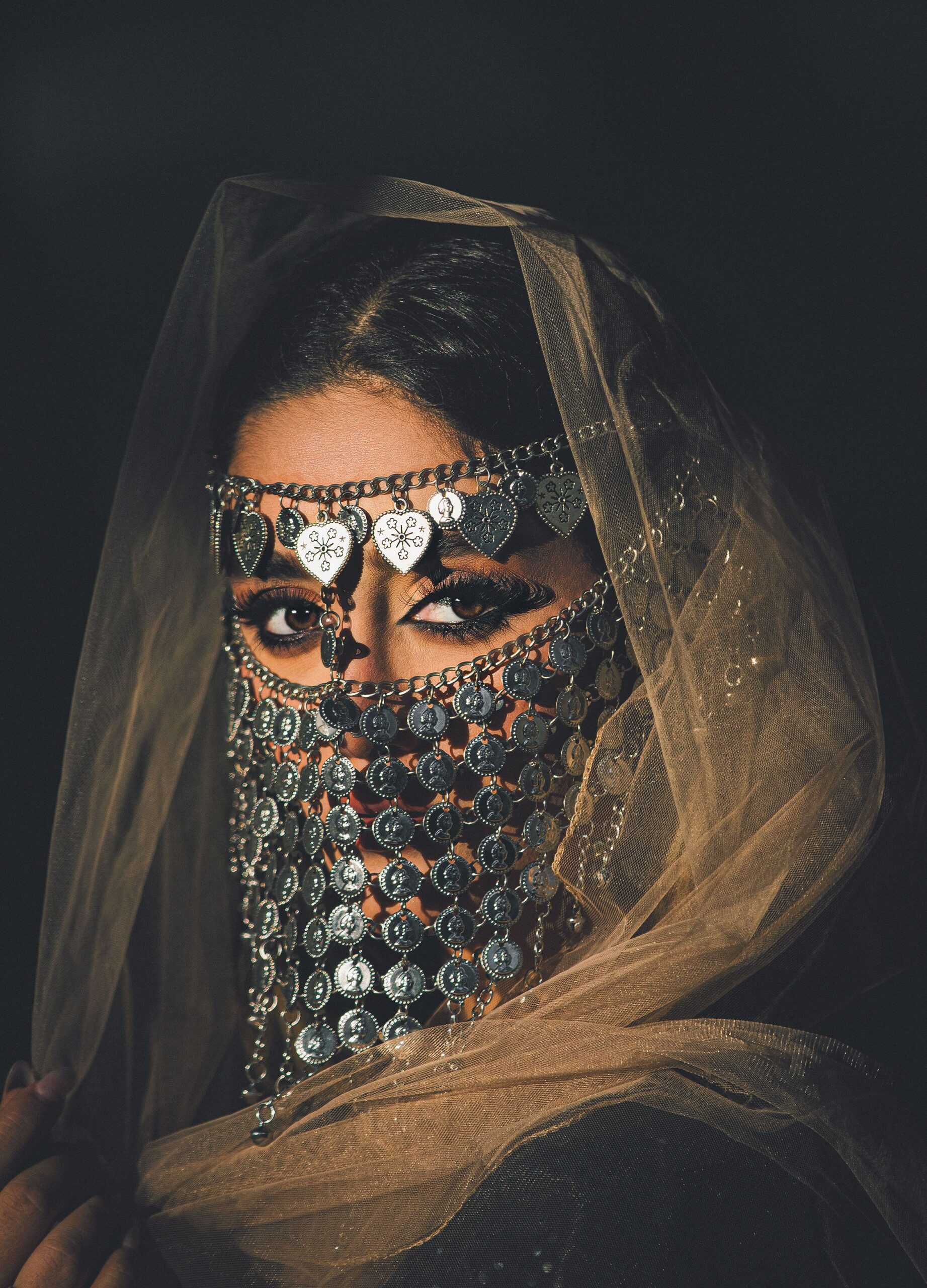
I’m reading in the book of Joshua and the word takes me over, sends me back in time. It unveils a woman, strong, brave, and broken. It reveals a messy beginning that Jesus wasn’t ashamed to make His own. Come with me to see a woman that God counted worthy of escape, the female “Noah” of Jericho.
I think of Rahab stuck in her tower, her soul crying out, a slave to the lusts of men. Perhaps those whose job it was to protect her had failed her. Perhaps she’d made foolish choices she’d long since come to regret. Perhaps she’d never had a choice at all.
A prostitute living on the wall near Jericho’s main gate of commerce, she hears many things. And now, a buzz of fear strikes the city; the Israelites, a mighty and terrible nation are on the move. The people of Yahweh; she’s heard the stories of this fearsome god: how he defended his people, striking the mighty Egyptians with plagues and setting them free from slavery. Something painful leaps in her chest: none of her gods has ever done that for her.
Days pass and she can’t get Him out of her head, this Yahweh. Every time she hears a report of Israelite movement she wonders: is this the end? Then a strange thought enters her mind: if she prayed to him– this god of the Israelites– would he perhaps deliver her, too? The thought is quickly dismissed: she doesn’t belong to him and her people are enemies, so why would he? Why would a foreign god answer her when even among her own people she is woman of disgrace ? But one desperate night, beaten and bruised, she dares to whisper his name.
Nothing changes. The pain in her soul sinks into a dull ache. This is her life, might as well make the best of it. With the Israelite threat looming ever closer, it may not be a long one anyways. In the lull of the afternoon, she weaves on her rooftop underneath the pergola, and stares out into the distance at the hills beyond the city as the light falls. If you were to ask her what she’s looking for, she could never tell you. In her mind, she’s all but given up hope.
One day, as the afternoon is beginning to slide into evening, she notices two men slipping silently into the city. What is it about them that catches her attention? Is it the way they carry themselves, upright and sure? Or the way one of them looks up just before entering and catches her gaze, eyes piercing, as though weighing her soul?
Her heart comes alive with a strange urgency. A knowing comes upon her: they are Israelites, and they will be noticed. She must help them. She rushes down and enters the streets looking frantically for them. At the market she finds them at last, but pauses in indecision. Why is she doing this? If she’s caught, a grim future awaits her: shame, torture, death. And what of her family?
Terror grips her for a moment, but then one of the men– the one who saw her on the wall– turns and looks at her, his gaze questioning. Out of the corner of her eyes, Rahab sees a soldier making his rounds, he hasn’t seen them yet, but it won’t be long if she doesn’t do something. Rahab squares her shoulders: this life of hers isn’t worth much anyways. Perhaps if she shelters these servants of Yahweh, her next one will be better. And then maybe this Yahweh will smile upon her family and turn their fortunes for the better.
She puts on a seductive smile and saunters up to him, this first man– he carries himself as one who is in charge. She puts a hand on his bicep, and he tenses as if to push her away. She leans in and whispers into his ear, “I can help you, if you trust me.”
Again those sharp eyes meet her pleading ones. After a moment his posture eases slightly, though still wary, and he gestures to his comrade. She takes his hand in hers and leads him into her tower and bars the door. No turning back now, she is well and truly involved.
“Who are you?” The man begins, but she shakes off his question. They’ve more important things to deal with, “You are Israelite spies, yes? You will have been seen, there’s not much time. Come with me.”
She heads up the stairs without waiting for a response, and after a moment, the two men ascend behind her, hands on their swords. When they reach the roof, Rahab has already unfolded a rope and is beginning to braid together some yarn used in her weaving. “Help me tie these together and make it long enough so that you can escape over the wall,” she says.
The man grabs her arm, “who are you? Why are you helping us?” His voice is stern but his eyes are wide and searching.
She winces, and he drops his hand.
In a low, flat voice, she says, “I am Rahab, a prostitute of the Visitor’s Gate. As to why I’m helping you…” she huffs and shakes her head. “I don’t even know: I could be killed for this. But I’m telling you the truth. The city is in a state of paranoia, and anyone unfamiliar is at risk. If you go out there, you will be caught, then tortured and hung on the city walls as a warning to your people. You have no choice but to trust me.”
The man closes his eyes, his lips moving for just a moment. Then his eyes open again, searching hers thoughtfully. He nods and turns to his companion, “she’s right, we were drawing too much attention at the market. I can’t explain it, but this feels like Yahweh.”
Rahab sucks in a soft breath at the sound of that name. Could it be? Could the fire in her heart that stirred her to action be from Yahweh? Could this be his answer?
They work quietly and quickly until they have a clumsy but serviceable rope. “It’s not long enough,” Rahab shakes her head. “I’ve more yarn and some fabric downstairs, let me go get…”
A loud banging widens her eyes, “They’re here!” A loud voice drifts up the stairs, “Rahab, you @#!% zonah, open up!”
“It’s the captain of the guard of this sector,” Rahab’s eyes dart around the roof. “Hurry, hide under these stalks of flax!” she whispers, “and pray to your god.”
When she sees that the men are following her instructions, she walks slowly down the stairs shouting in an irritated voice, “coming, coming, keep your belt on.”
Rahab wrenches open the door as if in a fit of pique, “I’ve already worked enough today Bazah, I’m not interested in your business.”
Captain Bazah glares at her, “You were seen in the marketplace with two strangers, where are they?”
Rahab’s voice assumes a bored tone, “Oh, those two?” She waves her hand. “They paid well, but they’ve gone already.”
“What did you tell them?! Tell me the truth, or I will hang you from the wall by your hair.”
Rahab leans against the doorframe, arms crossed, a smirk on her lips, “We didn’t do much talking; you know how it is.”
Bazah relaxes slightly, the start of a knowing grin twisting up his mouth.
Rahab shudders inside, but continues, “in any case, they seemed to be in a hurry. I saw them run out of the gate shortly before it closed.” She shrugs indifferently. “You might still be able to catch them if you’re quick about it.”
Bazah gives the order and his men rush towards the gate. He looks Rahab up and down, “this shouldn’t take long, how about I stop by afterwards and…”
“I’ve already told you Bazah, not interested.” The door shuts on his face and she smiles as she hears the cuss words flying out of his mouth. She may pay for that later, but in the moment, it feels sweet.
She lets out a sigh of relief, closing her eyes. She wants to take a moment to calm her racing heart, but there’s no time. She gathers the rest of her materials– red of course, a dye “donated” to her by a wealthy patron. Both her yarn and bed coverings sell particularly well, especially among the more prosperous of her fellow prostitutes; it hides the blood. She’s been working hard with her weaving, determined to save up enough so that her sisters will never have to follow in her footsteps. Somehow, it never seems to be enough.
Back upstairs she tells the men that they’re safe for now, but asks them to wait until dark has truly fallen to crawl out from under the stalks. While she finishes the rope, she begins to speak:
“Yahweh, Yahweh god, terror of Egypt, god of plagues, god who splits seas, god who mows down your enemies before you like grass. We’ve all heard the stories. Everyone’s afraid. Even here in Jericho, whose walls are its great pride, we shudder at the approach of your footsteps.”
“But I have heard something else, and I wondered…” Somehow not being able to see the men makes the conversation feel more honest, easier, and she plunges ahead. “Your God who did all these wonders, did he truly do them for you? To save you when you were slaves?”
The first man speaks slowly, thoughtfully from among the sheaves. “Our God is great and mysterious, and I don’t claim to know all His reasons, but yes, we cried out to Him and He saved us.”
“But why? Why you?” Rahab presses.
“Because He loved our fathers. And because He loves us.”
Rahab stills, “a god who saves because he loves.”
All the years of tragedy and brokenness behind her burst through into a whisper, “do you think he might save me?”
The man’s voice is quiet, “this I know of our God: He is just, but He is also merciful.”
Rahab thinks about that silently, then says, “I know it’s all over for Jericho. Yahweh is with you, you will win.” She bows her head, tightening her fingers around the yarn, her voice taking on a new intensity. “But since I have shown mercy to you, promise me that you will not let me and my family be slaughtered with the rest. Swear it by your Yahweh!”
The man’s reply is swift, as though already decided. “By our own lives we swear before Yahweh. If you are faithful and do not betray us, we will not forsake you, but will keep you alive and protect you,” the man says. “You’ve been kind to us, we will be kind to you.”
A glow settles in Rahab’s soul, a warmth she can’t remember feeling before. Is this what it feels like to be safe?
She ties the last knot, and stands to secure the rope to a crenelation on the wall. “It’s dark enough now, enough time has passed. You can come out.”
She fills their waterskins, and brings them a few loaves of bread and some dried fish. “It’s not much, but it should help. It’s known in the city that your people have camped across the river, you can’t go back that way yet, they’ll be scouring the whole area looking for you. After you climb down, head west into the hills and hide out there for three days. I’ve watched many patrols come and go, it will be enough.”
The first man speaks, “when our people come to take the city, gather your family into your house, and hang this scarlet cord out of the window to mark it. You must all stay together for safety.”
His companion adds, “if any of you leave the house, your blood will be on your own head.”
Rahab shivers.
“Rahab,” the first man says gently, “Yahweh is faithful, He will protect you. We will protect you. Stay inside, and all will be well.”
His companion slides down the rope, but when he moves to do the same she stops him. “Wait…please, what’s your name?”
“Salmon.”
“Salmon.” The feel of it has an odd thickness on her tongue, as though it weighs more than an ordinary name. “May Yahweh be with you.”
“Yahweh bless you,” she hears softly. Then he too lowers himself into the shadows.
As Rahab stares into a sky covered in stars, she feels a strange sense of vertigo; almost as though a part of her is rising up to meet them. Something is shifting, something is new.
Tomorrow she will begin preparations for all that is to come. She’ll need to gather supplies and ready her her house, not to mention share the news with her family, who will require a lot of convincing.
Tonight, however, she simply breathes in peace and exhales one name: “Yah-weh.”